
Efficient Lamb Feeding Solutions for Rehabilitation
- Lynette Audrey
- Apr 19
- 4 min read

Feeding lambs in rehabilitation is a delicate task. These little ones need special care to thrive. I’ve learned that using efficient strategies can make all the difference. Whether you’re nursing orphaned lambs or helping those recovering from illness, the right feeding approach sets the stage for healthy growth and happy lambs.
Let’s dive into some practical tips and tricks that have worked wonders. I’ll share insights on nutrition, feeding schedules, and tools that simplify the process. Plus, I’ll sprinkle in some encouragement to keep you motivated during those long days.
Understanding Lamb Feeding Solutions
Lambs have unique nutritional needs, especially when they’re in rehabilitation. Their tiny bodies require a balance of energy, protein, and hydration to bounce back. The first step is understanding what makes a good lamb feeding solution.
Milk replacers are often the go-to choice. They mimic ewe’s milk and provide essential nutrients. But not all milk replacers are created equal. Look for formulas designed specifically for lambs, with the right fat and protein ratios.
I always recommend starting with small, frequent feedings. Lambs have tiny stomachs and digest best when meals are spaced out. This approach reduces the risk of digestive upset and helps maintain steady energy levels.
Tips for Choosing the Right Milk Replacer
Check the label for protein content (around 20-25% is ideal).
Ensure the fat content is sufficient (about 15-20%).
Avoid fillers like soy or excessive starch.
Consider powdered formulas that mix easily and stay fresh.
Using the right milk replacer sets the foundation for successful rehabilitation. It’s like giving lambs a warm, nutritious hug every time they feed.

Creating a Feeding Schedule That Works
Consistency is key when feeding lambs. A well-planned schedule helps regulate their digestion and energy. I’ve found that feeding every 3-4 hours works best for newborns. As they grow, you can gradually extend the time between feedings.
Here’s a simple feeding schedule to consider:
Newborn to 1 week: Feed every 3 hours, including overnight.
1 to 3 weeks: Feed every 4 hours, slowly dropping overnight feedings.
3 to 6 weeks: Feed every 6 hours, introducing solid foods.
6 weeks and older: Transition to solid feed and reduce milk replacer.
Remember, each lamb is different. Watch for signs of hunger or fullness and adjust accordingly. Lambs that are too full may refuse to eat, while hungry lambs can become restless and weak.
Practical Feeding Tips
Warm the milk replacer to about 102°F (39°C) for comfort.
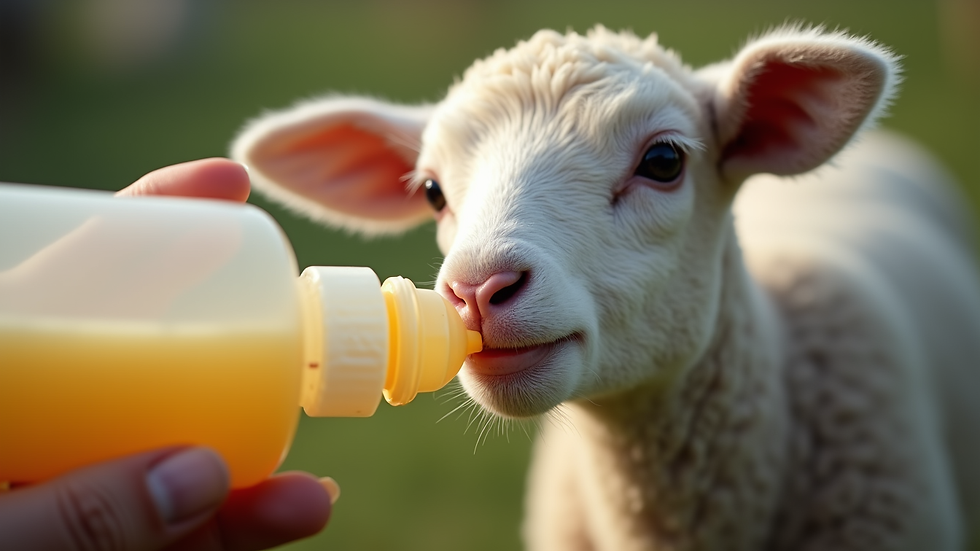
Use clean bottles or lamb nips to prevent infections.
Hold the lamb upright during feeding to avoid choking.
Burp the lamb gently after feeding to release trapped air.
If you’re looking for convenient feeding tools, you can buy lamb nips online us to make feeding easier and more hygienic.
Introducing Solid Foods Gradually
As lambs grow, they need more than just milk. Introducing solid foods helps develop their rumen and prepares them for weaning. Start offering small amounts of high-quality hay and lamb pellets around 3-4 weeks of age.
Here’s how to do it right:
Offer fresh hay daily, preferably alfalfa or clover.
Provide lamb pellets formulated for young lambs.
Keep water available at all times.
Monitor intake and adjust quantities as lambs grow.
Solid foods should complement milk replacer, not replace it too soon. The transition should be smooth to avoid digestive upset.
Encouraging Lambs to Eat Solids
Place hay and pellets near their feeding area.
Use shallow trays to make access easy.
Gently nibble hay yourself to show them it’s safe.
Be patient - some lambs take longer to accept solids.
This gradual introduction supports healthy digestion and builds strong, resilient lambs.
Monitoring Health and Growth
Feeding is just one part of rehabilitation. Monitoring lamb health and growth is crucial. Keep a daily log of weight, feeding amounts, and behavior. This helps spot problems early and adjust care.
Look for these signs of good health:
Bright, alert eyes.
Steady weight gain (about 0.5 to 1 pound per day).
Normal stool consistency (soft but formed).
Active and curious behavior.
If lambs show signs of diarrhea, lethargy, or poor appetite, consult a veterinarian promptly. Sometimes, feeding adjustments or medical care are needed.
Tools for Tracking Progress
Digital scale for accurate weight checks.
Feeding chart to record milk and solids intake.
Thermometer to monitor body temperature.
Notebook or app for daily notes.
Keeping detailed records makes rehabilitation more effective and rewarding.
Making Feeding Fun and Stress-Free
Feeding lambs doesn’t have to be a chore. With the right mindset and tools, it can be a joyful part of your day. I like to think of feeding time as bonding time. Lambs respond to gentle voices and calm handling.
Here are some ways to make feeding easier:
Create a cozy, quiet feeding space.
Use colorful bottles or feeders to catch attention.
Play soft music or nature sounds to soothe lambs.
Reward yourself with a smile after each successful feeding.
Remember, every lamb you help is a little victory. Celebrate the small wins and keep your spirits high.
Feeding lambs in rehabilitation is a journey filled with learning and love. By using efficient lamb feeding solutions, you give these fragile creatures the best start possible. From choosing the right milk replacer to introducing solids and tracking growth, every step counts.
If you want to simplify your feeding routine, don’t hesitate to buy lamb nips online us. These handy tools make feeding smoother and safer.
Keep up the great work - your care makes a world of difference for these little lambs!


Comments